Case study · Art direction & immersive experience
VRX: putting every associate inside the store
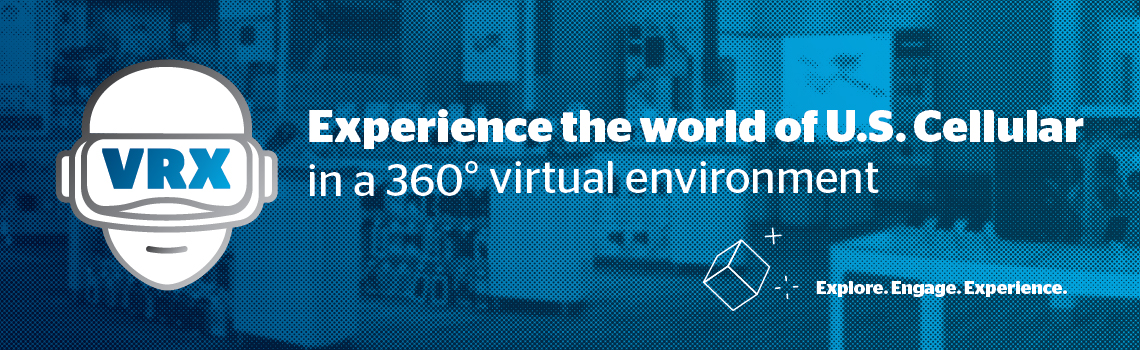
U.S. Cellular needed thousands of field associates across the country to know its retail experience firsthand — without flying anyone anywhere. I concepted, branded, prototyped, and art directed a 360° VR experience that brought the store to them.
ROLE
Creative direction · Art direction · Prototyping · Testing
CLIENT
U.S. Cellular, in-house
SCOPE
Concept · Brand identity · 360° capture · Launch collateral
REACH
Field associates nationwide
01 · THE BRIEF
You can't sell an experience you've never stood inside.
U.S. Cellular's brand lived or died in its stores, but the associates and leaders who shaped that experience were scattered across the country. Site visits were expensive, slow, and rare. The ask: find a way to make the retail experience — the layout, the merchandising, the moments that matter — something anyone in the company could explore, from anywhere.
What I delivered
VRX brand identity: mark, tagline, visual systemBRAND
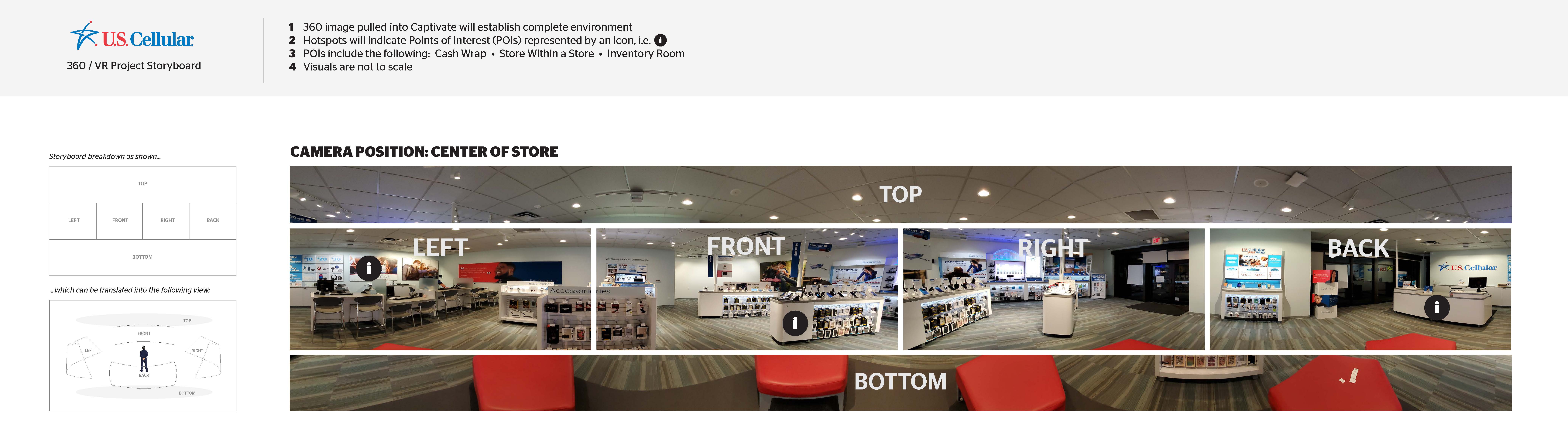
360° photography plan and interactive storyboardSTORYBOARD
Working prototype with hotspot navigation, built in CaptivatePROTOTYPE
Usability testing with associates before rolloutTESTING
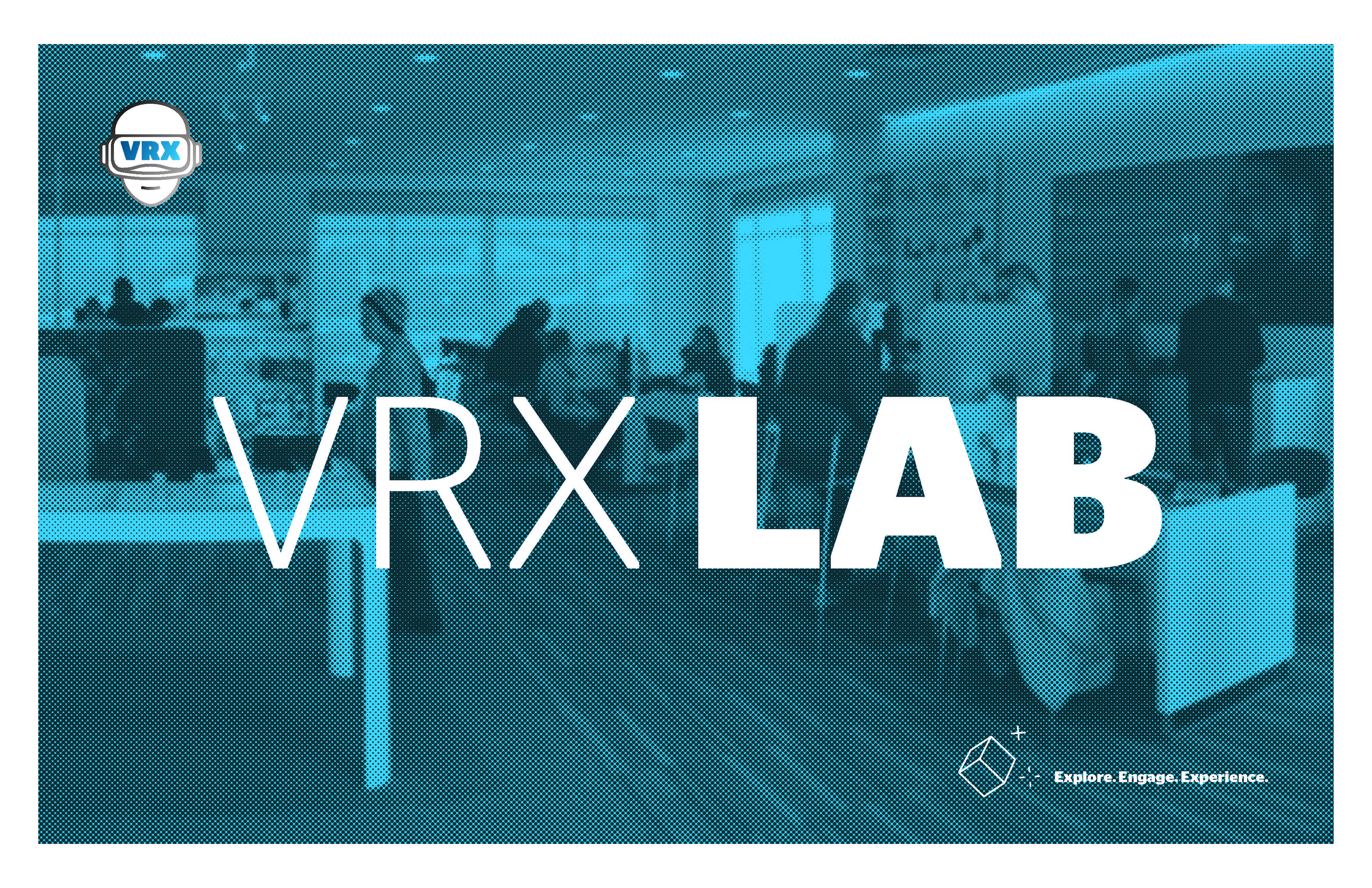
VRX Lab launch: environment design and collateralLAUNCH
02 · THE BRAND
An internal tool nobody has to use needs a brand people want to use.
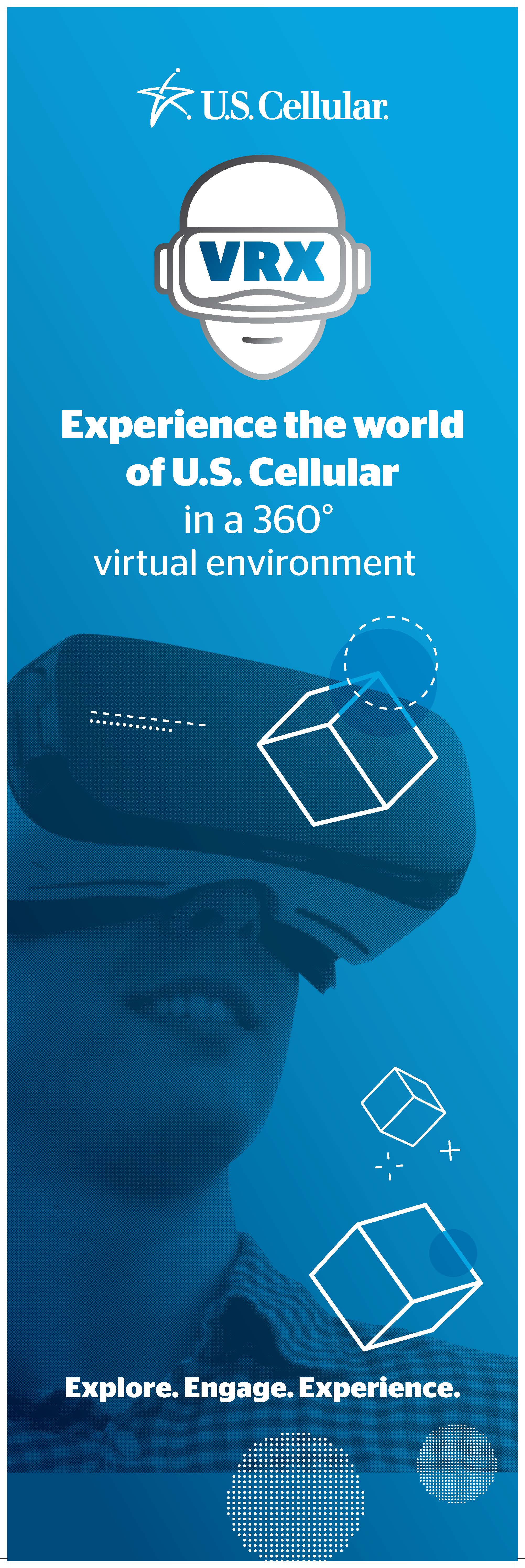
VR training could easily read as corporate homework. So VRX got a real campaign identity: a helmeted explorer mark, a three-beat tagline — Explore. Engage. Experience. — and a visual system bold enough to carry banners, signage, stickers, and swag. The character made the headset approachable; the system made the pilot feel like a product launch.
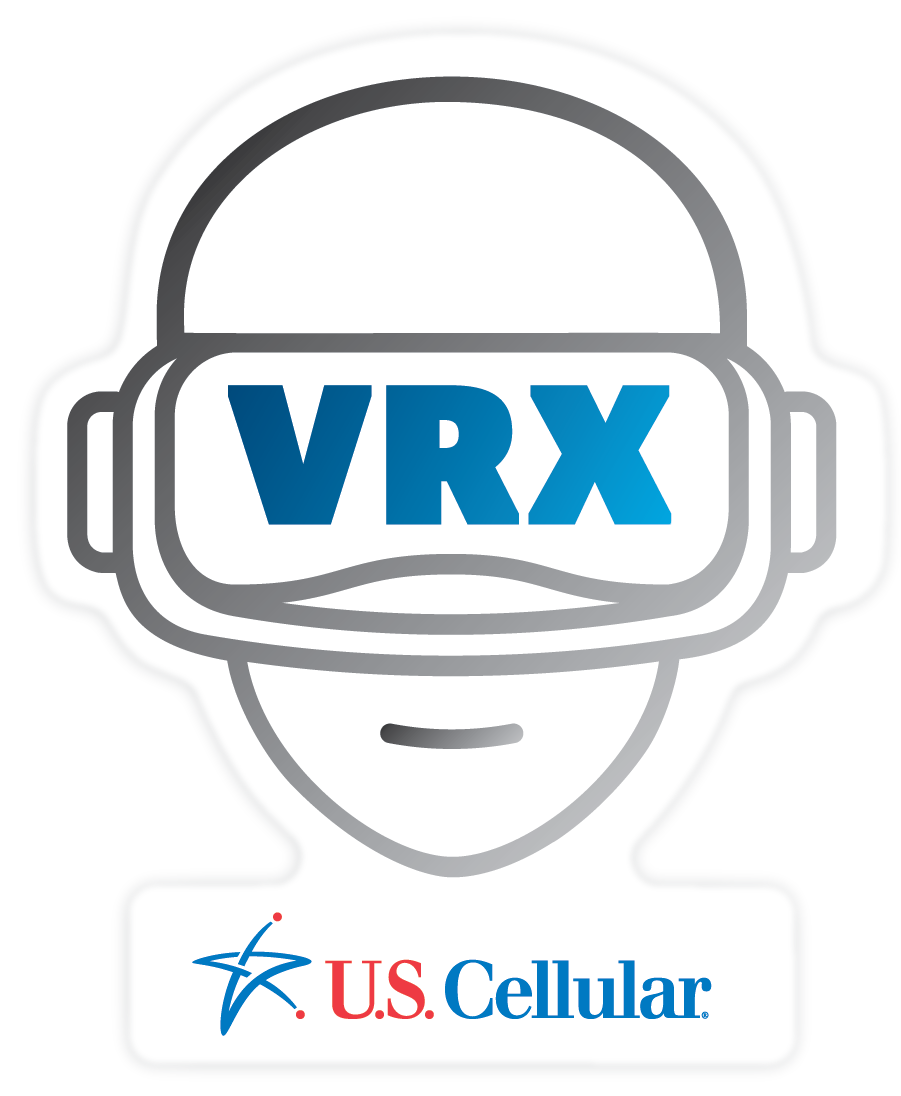
THE MARK · DIE-CUT STICKER
03 · THE PROTOTYPE
Storyboarding a medium the company had never shipped in.
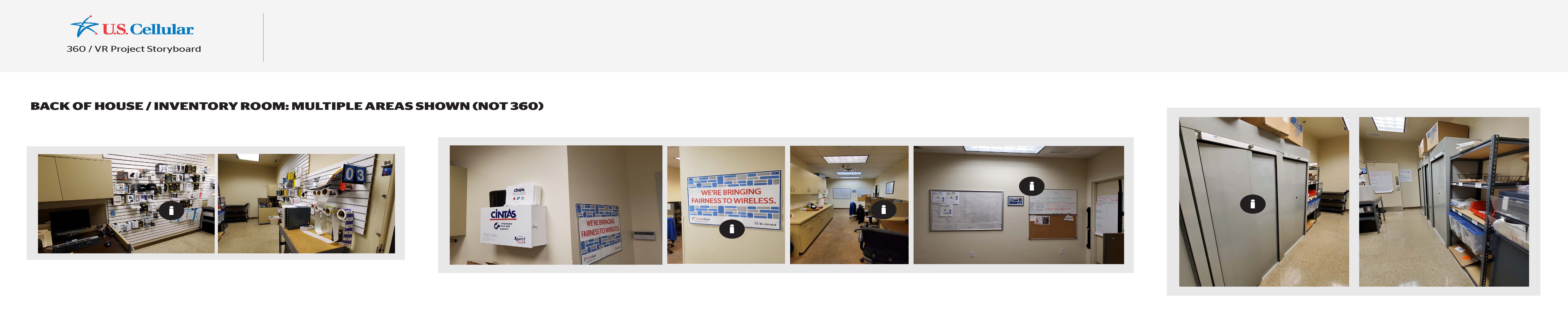
There was no playbook for this internally, so I wrote one: how a 360° capture translates into navigable views, where the camera stands, and how hotspots reveal points of interest — the cash wrap, the store-within-a-store, the inventory room. I built the working prototype in Adobe Captivate and tested it with associates before it went wide.
04 · WHAT THIS WORK TAUGHT ME
New mediums still obey old rules.
Nobody had art directed VR here before, so I fell back on what always works: storyboard first, decide what the viewer should notice, and design the path to it. The headset was new. The craft wasn't.
Adoption is a design problem.
The VRX brand did as much work as the technology. Give an internal pilot a character, a tagline, and stickers people actually keep, and it stops being training — it becomes something people line up for.
NEXT CASE STUDY
Get Vaxxed: an immunization campaign for NEIU →
ALSO
Grace: giving a health system a voice →
© 2026 Marilyn Frank